
Gynecology Hospital in Lucknow: Services You Should Know About
Gynecology Hospital in Lucknow: Services You Should Know About
Women’s health needs can change at different stages of life. From irregular periods and PCOS to pregnancy, fertility concerns, menopause, pelvic pain, and other gynecological conditions, getting the right medical advice at the right time can make a real difference.
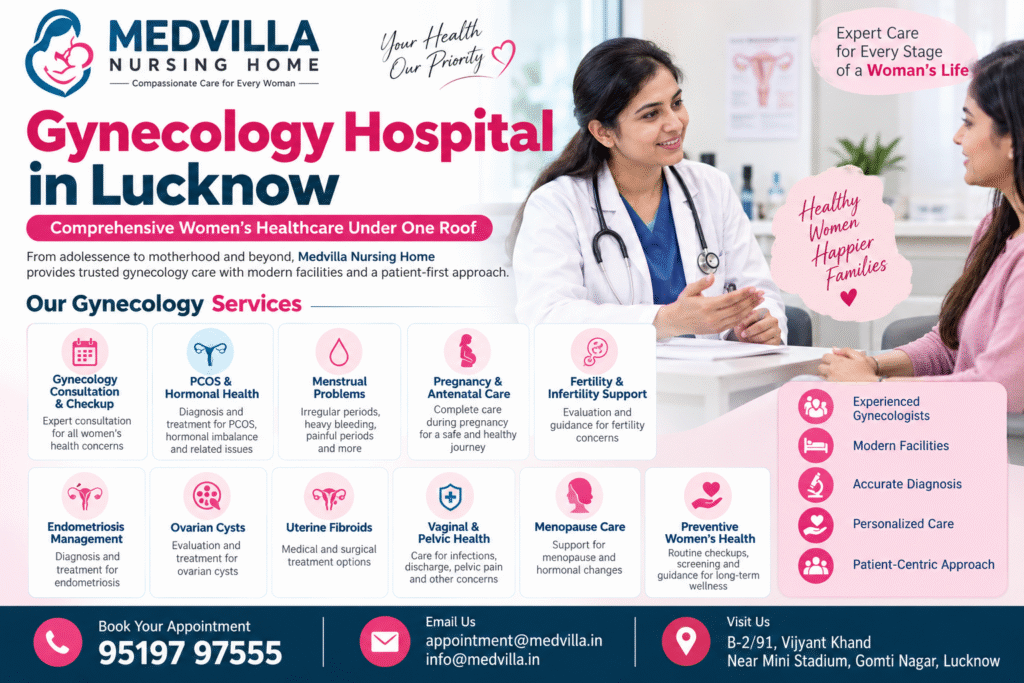
A gynecology hospital in Lucknow can provide women with access to consultation, diagnosis, treatment, preventive care, and pregnancy-related services under one roof. Knowing what services are available can also make it easier to decide when you should consult a gynecologist and what to expect during an appointment.
This guide explains some of the common gynecology services women may need and why regular care is important.
What Is Gynecology?
Gynecology is the branch of medicine that focuses on the health of the female reproductive system. It covers concerns related to the uterus, ovaries, fallopian tubes, cervix, vagina, menstrual cycle, and hormonal health.
Gynecologists commonly help women with problems such as irregular or painful periods, abnormal bleeding, PCOS, ovarian cysts, endometriosis, fibroids, vaginal or pelvic symptoms, fertility concerns, and menopause-related changes. Women’s health services can also include contraception, pregnancy care, sexual health, and screening, depending on the healthcare facility.
Common Services Available at a Gynecology Hospital in Lucknow
A good gynecology department may offer a wide range of services. The exact facilities differ from one hospital to another, so it is always useful to check what a particular hospital provides before booking an appointment.
1. Gynecology Consultation
A consultation is often the first step when a woman has a health concern.
During a consultation, the gynecologist may ask about:
- Menstrual history
- Previous pregnancies
- Current symptoms
- Medical history
- Medicines being taken
- Previous surgeries or treatments
- Family history, when relevant
Depending on the symptoms, the doctor may recommend further examination or investigations.
You do not necessarily need to wait until a problem becomes severe before seeing a gynecologist. Persistent or unusual symptoms are worth discussing with a qualified healthcare professional.
2. Treatment for Irregular Periods
Menstrual cycles can vary from person to person, but significant changes in the usual pattern may need medical evaluation.
Irregular periods can have different causes, including hormonal changes, PCOS, thyroid-related problems, changes in weight, stress, certain medications, or other health conditions.
A gynecologist can review the patient’s history and recommend appropriate tests if necessary. Treatment depends on the underlying cause rather than simply treating the bleeding pattern.
If you experience repeated irregular periods, unusually heavy bleeding, bleeding between periods, or bleeding after menopause, consulting a doctor is important.
3. PCOS and Hormonal Health
Polycystic ovary syndrome, commonly called PCOS, is a condition that can affect menstrual cycles, hormones, skin, hair, metabolism, and fertility.
Women with PCOS may experience symptoms such as irregular periods, acne, increased facial or body hair, weight-related concerns, or difficulty becoming pregnant. However, symptoms can vary considerably between individuals.
A gynecologist can assess symptoms and medical history and recommend appropriate investigations. Treatment is usually based on the person’s symptoms, reproductive goals, and overall health.
Because hormonal problems can have different causes, self-diagnosis through symptoms alone is not recommended.
4. Pregnancy and Antenatal Care
Pregnancy is another important area of women’s healthcare.
A gynecology and maternity team may provide pregnancy consultations, routine antenatal care, investigations, and monitoring throughout pregnancy, depending on the hospital’s services.
Regular prenatal care allows healthcare professionals to monitor the mother’s health and the baby’s development and identify concerns that may require additional attention.
Pregnant women should follow the schedule recommended by their doctor and discuss symptoms such as bleeding, severe abdominal pain, severe vomiting, swelling, fever, or other unusual changes promptly.
5. Fertility and Infertility Consultation
Trying to conceive can be an emotional experience, especially when pregnancy does not happen as expected.
Gynecologists can evaluate possible factors affecting fertility and, when appropriate, recommend investigations or refer patients to fertility specialists.
Fertility concerns may involve either partner, so assessment may sometimes involve both partners.
A fertility consultation can help identify possible causes and explain available treatment options based on the individual’s situation.
6. Endometriosis Management
Endometriosis is a condition in which tissue similar to the lining of the uterus grows outside the uterus. It can be associated with pelvic pain, painful periods, pain during intercourse, and fertility difficulties.
Persistent or severe period pain should not simply be ignored, especially when it affects daily activities.
A gynecologist can assess symptoms and determine whether further investigations are appropriate. Depending on the diagnosis and individual circumstances, treatment may involve medicines, monitoring, or surgical options.
7. Ovarian Cyst Evaluation
Ovarian cysts are fluid-filled or solid structures that can develop in or around an ovary. Many ovarian cysts are benign and may resolve on their own, but some require monitoring or treatment.
Symptoms can vary. Some women have no symptoms, while others may experience pelvic discomfort, pressure, or changes related to their menstrual cycle.
If an ovarian cyst is suspected, a doctor may recommend an ultrasound or other investigations depending on the situation.
8. Uterine Fibroids
Fibroids are growths that develop in or around the uterus. They are common and can vary in size and location.
Some women with fibroids have no symptoms, while others may experience heavy menstrual bleeding, pelvic pressure, pain, or reproductive concerns.
Treatment depends on factors such as symptoms, fibroid size and location, age, and future pregnancy plans. Depending on the situation, doctors may recommend observation, medication, minimally invasive procedures, or surgery.
9. Pelvic Pain and Vaginal Problems
Pelvic pain can have many possible causes. It may be related to menstrual problems, infections, endometriosis, ovarian conditions, urinary problems, or other issues.
Similarly, unusual vaginal discharge, itching, irritation, unpleasant odour, or pain may require medical evaluation.
Instead of assuming that every symptom is an infection or treating it without medical advice, it is better to consult a healthcare professional when symptoms are persistent, severe, or unusual.
Gynecology services can evaluate symptoms and recommend appropriate tests and treatment.
10. Menopause and Perimenopause Care
Menopause is a natural stage of life, but the transition can bring noticeable physical and emotional changes.
Women may experience:
- Irregular periods
- Hot flashes
- Night sweats
- Sleep difficulties
- Vaginal dryness
- Mood changes
- Changes in sexual health
Not every symptom requires medical treatment, but symptoms that interfere with daily life can be discussed with a gynecologist.
A doctor can help distinguish normal hormonal changes from other health conditions and discuss suitable management options.
11. Preventive Women’s Healthcare
Gynecology is not only about treating diseases. Preventive healthcare is also important.
Depending on age, medical history, risk factors, and local recommendations, a doctor may discuss appropriate screening and preventive measures.
These may include reproductive health counselling, contraception, cervical health screening, breast health awareness, vaccination discussions, and other routine health assessments.
The exact tests recommended should be decided by a qualified healthcare professional based on the individual’s circumstances.
When Should You Visit a Gynecologist?
Many women postpone appointments because they feel their symptoms are normal or temporary. However, certain symptoms deserve medical attention.
Consider consulting a gynecologist if you have:
- Persistent irregular periods
- Very heavy menstrual bleeding
- Severe or worsening period pain
- Bleeding between periods
- Bleeding after menopause
- Persistent pelvic pain
- Unusual vaginal discharge or irritation
- Repeated problems related to menstruation
- Difficulty becoming pregnant
- Symptoms associated with PCOS
- Concerns during pregnancy
- Menopause symptoms affecting daily life
Bleeding between periods, bleeding after sex, and bleeding after menopause should be evaluated by a healthcare professional.
How to Choose a Gynecology Hospital in Lucknow?
When searching for a gynecology hospital in Lucknow, don’t choose only on the basis of location or online advertisements. Consider the services you actually need and whether the hospital has appropriate medical professionals and facilities.
Here are a few things you can check:
Qualified Medical Professionals
Look for a hospital with appropriately qualified gynecologists and obstetricians. If you have a specific condition, you can also ask whether the hospital has experience managing that type of concern.
Range of Services
Check whether the hospital provides the services relevant to you, such as gynecology consultations, pregnancy care, ultrasound or diagnostic facilities, fertility consultations, or surgical care where required.
Diagnostic Facilities
Having appropriate diagnostic facilities can make evaluation more convenient. Depending on the condition, a doctor may recommend blood tests, ultrasound, or other investigations.
Emergency Support
For pregnancy-related or severe gynecological symptoms, it can be useful to know whether the hospital has appropriate emergency support and how patients should contact the hospital outside normal consultation hours.
Patient Communication
Healthcare can involve sensitive and personal concerns. A good medical consultation should give patients an opportunity to explain their symptoms and understand the proposed investigations or treatment.
Why Regular Gynecological Care Matters
Many women’s health conditions can be managed more effectively when symptoms are evaluated rather than ignored for a long period.
Regular healthcare also provides an opportunity to discuss changes in menstrual cycles, contraception, pregnancy planning, fertility, menopause, and other concerns.
Women’s health is not limited to one particular age group. Teenagers, young adults, women planning pregnancy, new mothers, and women going through menopause may all have different healthcare needs.
Gynecology Care in Lucknow
If you are searching for a gynecology hospital in Lucknow, look for a healthcare facility that offers appropriate consultation, diagnostic support, treatment options, and patient-focused care.
Medvilla Nursing Home can be considered by patients looking for women’s healthcare services in Lucknow. Before visiting, it is advisable to confirm the specific services available, appointment timings, and consultation process directly with the hospital.
The right gynecology care should be based on your symptoms, medical history, age, reproductive goals, and individual healthcare needs.
Conclusion
A gynecology hospital in Lucknow can provide women with support for a wide range of health concerns, from irregular periods and PCOS to pregnancy care, fertility problems, endometriosis, ovarian cysts, fibroids, pelvic pain, and menopause.
The most important step is not to ignore persistent or unusual symptoms. A qualified gynecologist can evaluate your concerns, recommend appropriate investigations, and explain the available treatment options.
Whether you need a routine consultation or are experiencing a specific health concern, choosing a reliable healthcare provider and seeking timely medical advice can help you take better care of your health.